Dreaming by the Quarter

More than what meets the eye

Quarterly Report, Oct-Dec ‘25

Sometimes when work is steady but progress feels invisible

Not all days are for reaping fruits, or for sowing the field. Some of them are turnaround periods – to clear the residue, plough deeply, and restore fertility.

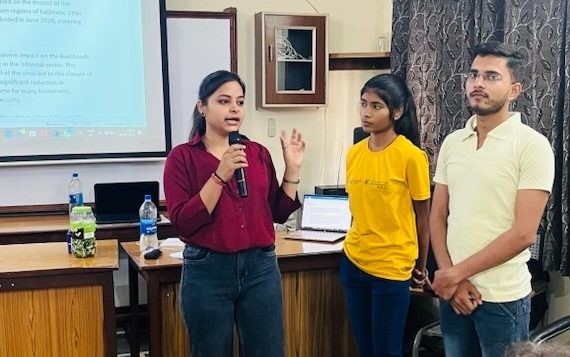
After an eventful period, that’s how the quarter felt at Medha – with consistent data maintenance to maintain integrity, preparation to conduct evidence-based studies, and continuing workshops with government teachers and placement officers.

It is easy to lose patience and disregard your effort

When no one big milestone leaps to attention, it’s good to remember that results make 20% of a process that is largely invisible. This rings especially true for system adoption – where change requires multiple levers to work together.

Results in student impact aren't easy to track directly, and embedding change takes years of patient cultivation. The work is real, even when milestones feel distant.

In that doubt, seeing the change in your community builds your confidence

Bringing transparency to on-the-job training
01

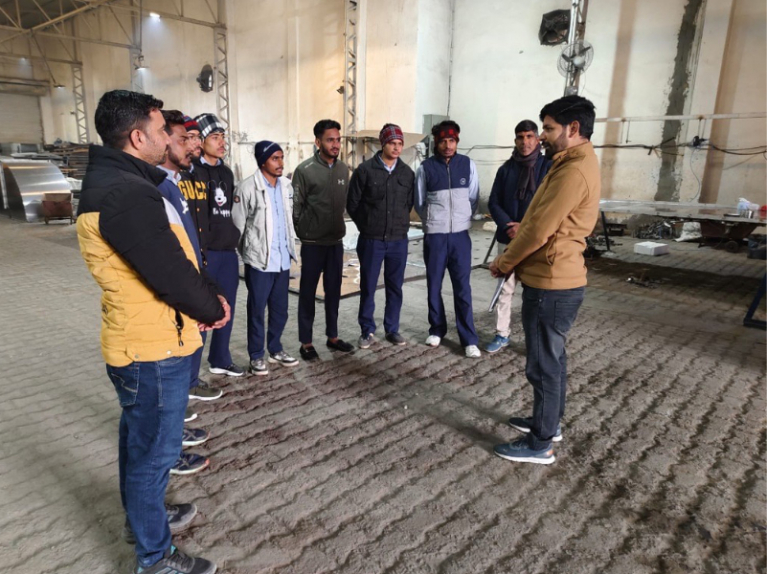
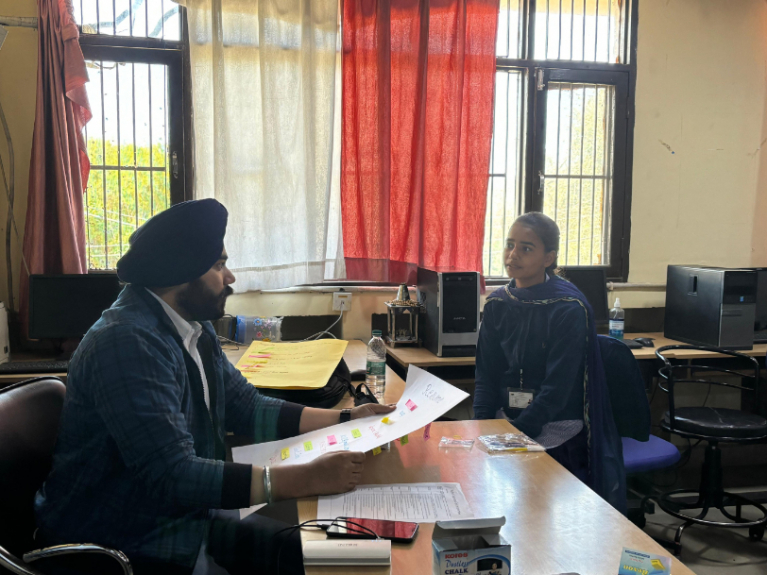
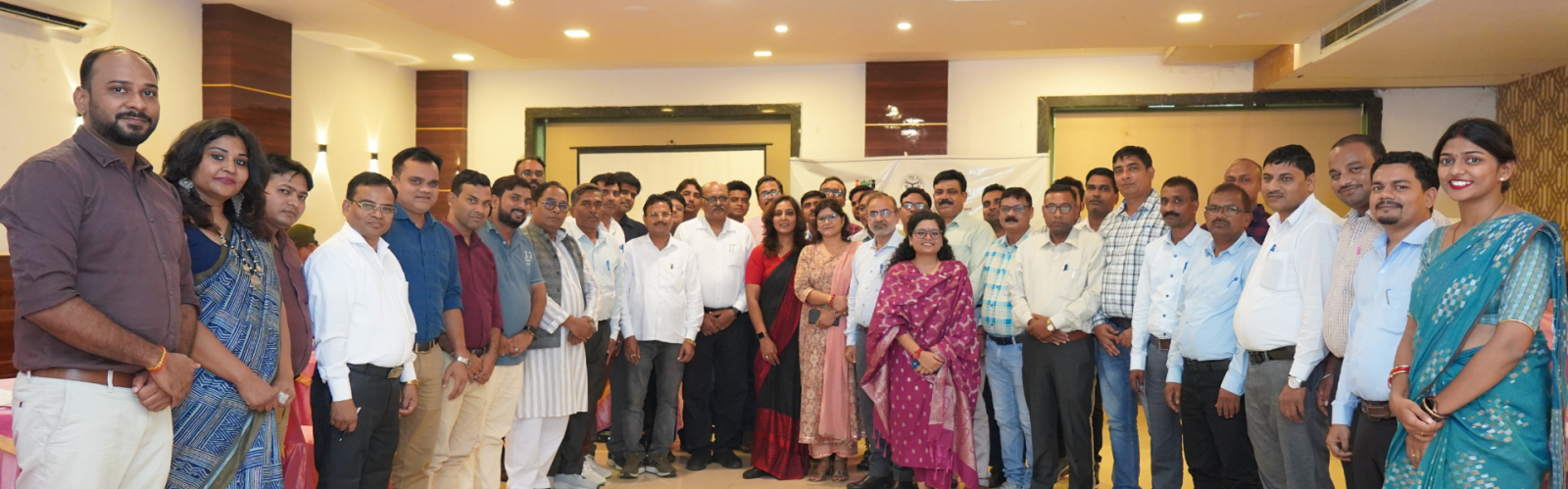
Accurate, transparent attendance tracking during on-the-job training helps instructors monitor progress, lower student drop-out rates, and improve completion. A new online portal enables this for public vocational training institutes in Haryana, a key industrial state in India, with over 567 instructors, principals, and faculty trained to use it.

Making life skills non-negotiable in schools
02

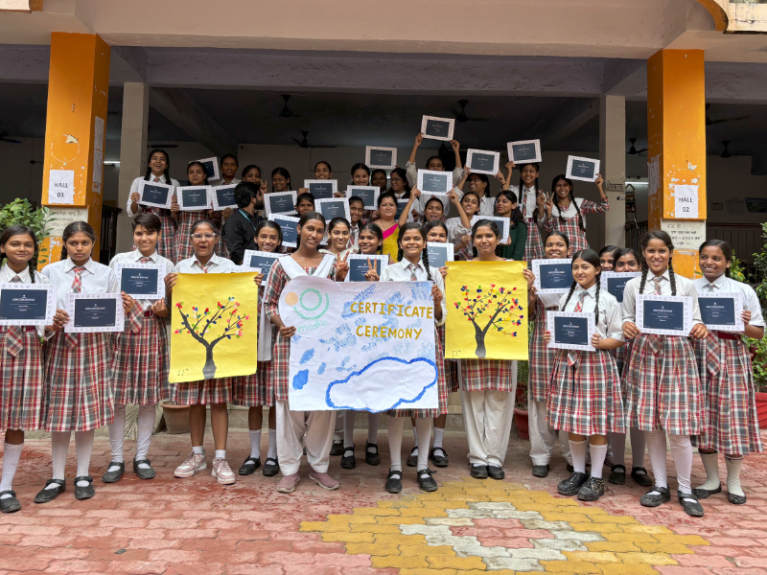
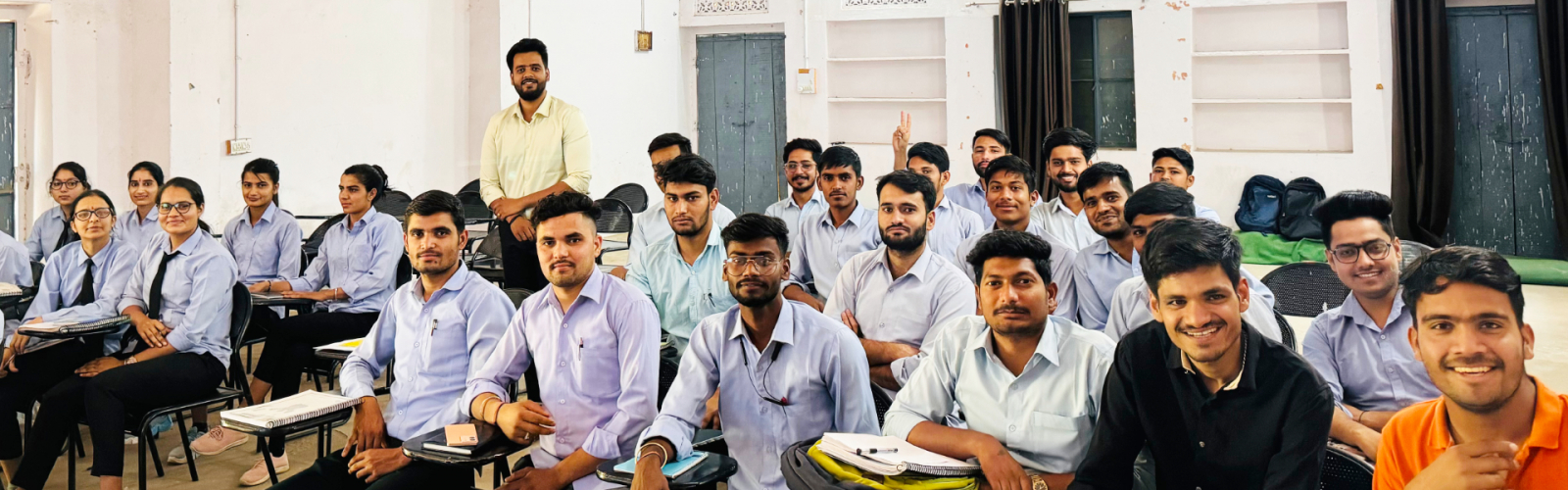
When young people build life skills early, they're better equipped to navigate education, work, and relationships. Svapoorna, our life skills program, will now be a part of the core curriculum with monthly reviews across 664 schools in Uttar Pradesh, the most populous state of India.

Youth to co-lead statewide placement efforts
03

When students co-lead placement efforts, they develop leadership skills and create peer networks for life. Uttar Pradesh's vocational training system has approved student-led placement cells for all 286 government vocational training institutes, with 5 students per institute to work alongside placement officers and strengthen the pathway to employment.

Long travels and multiple meetings add up to trust teachers place in you

Bihar's Young Teachers Are Rewriting Career Paths

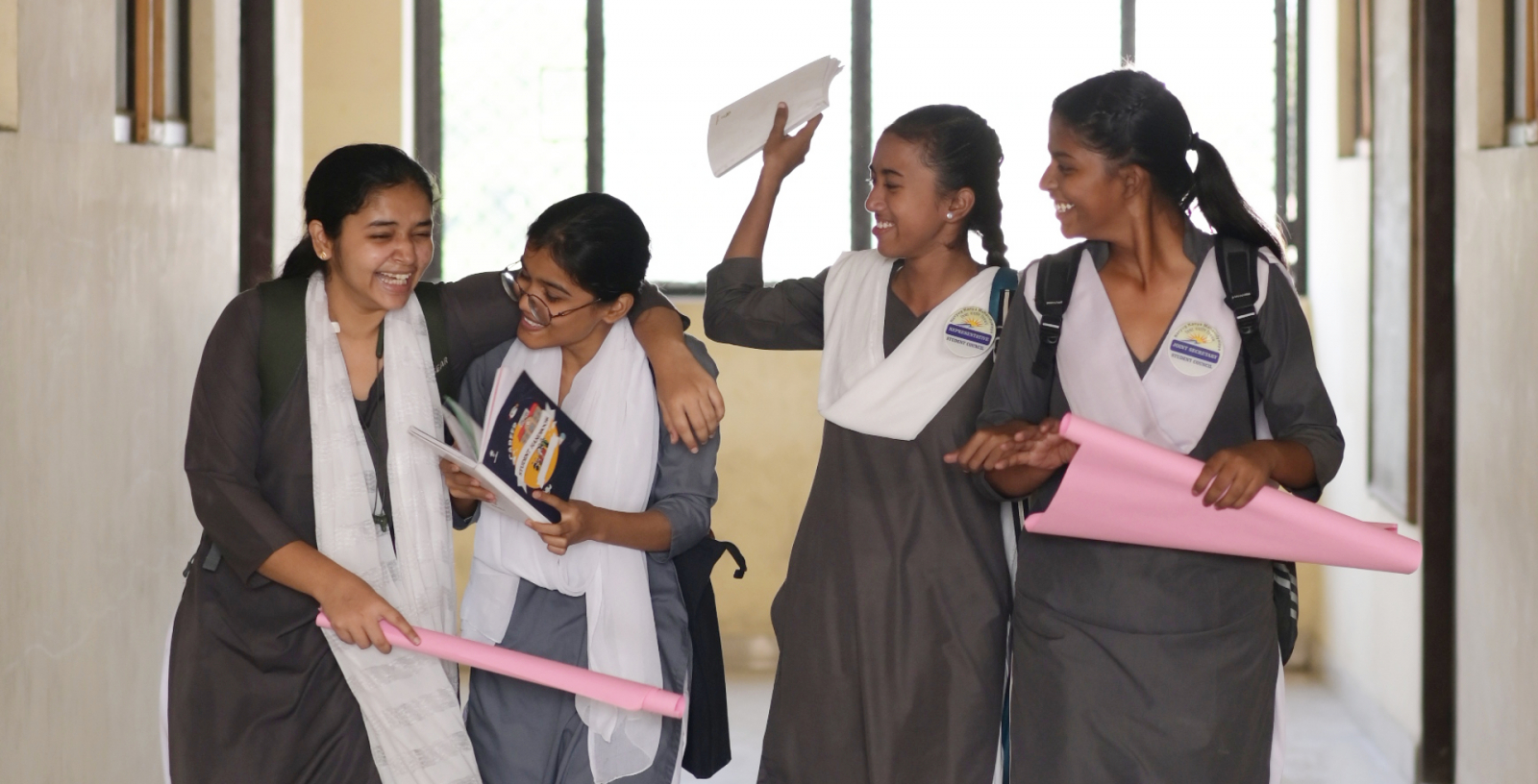
In Bihar, India's youngest state by population with a high youth unemployment rate, a lean team works with 100 government vocational training institutes to build career readiness. Through capacity-building workshops, parent-teacher meetings, and consistent ground efforts, they've earned the trust of a new cohort of young teachers driven to create opportunities for youth from underserved communities.


"Medha pe humara haq hai" (Medha belongs to us, too), says one young teacher. With support from Bihar's Labour Resources Department, facilitators and placement officers are shifting mindsets: young women are taking jobs in different cities with their fathers' encouragement, and parents are choosing apprenticeships for their children over years spent preparing for government exams.

Months of mundane data tracking prepare you to clarify impact with youth
Tracking skills for career success

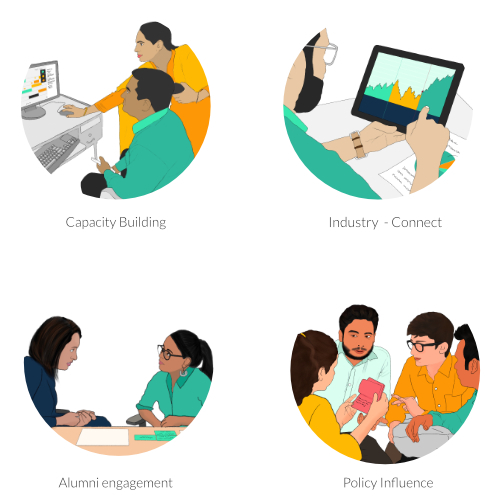
Understanding how youth navigate early career challenges requires tracking the skills that matter most - critical thinking, self-management, communication, digital literacy, and career awareness. This year's alumni survey will reach 4,300 young people across India, including those in vocational training systems, to measure how these core competencies develop and influence employment outcomes. It's the first time the survey connects directly to organization-level impact indicators, clarifying what career preparation produces in young adults' lives.

Rigorous Studies on Career Readiness

Can better teaching practices improve employment outcomes for vocational students? Two randomized controlled trials in northern India will measure this. In Uttar Pradesh, the study tracks career readiness, job placement, and retention among polytechnic students while assessing how well instructors deliver employability training. In Uttarakhand, the focus is on whether improving teaching methods in vocational institutes translates to better student learning and stronger labor market outcomes for graduates. The results will clarify what actually moves the needle for youth entering the workforce.

  • A
    Tracking skills for career success
  • B
    Rigorous Studies on Career Readiness
Tracking skills for career success

Understanding how youth navigate early career challenges requires tracking the skills that matter most - critical thinking, self-management, communication, digital literacy, and career awareness. This year's alumni survey will reach 4,300 young people across India, including those in vocational training systems, to measure how these core competencies develop and influence employment outcomes. It's the first time the survey connects directly to organization-level impact indicators, clarifying what career preparation produces in young adults' lives.

Rigorous Studies on Career Readiness

Can better teaching practices improve employment outcomes for vocational students? Two randomized controlled trials in northern India will measure this. In Uttar Pradesh, the study tracks career readiness, job placement, and retention among polytechnic students while assessing how well instructors deliver employability training. In Uttarakhand, the focus is on whether improving teaching methods in vocational institutes translates to better student learning and stronger labor market outcomes for graduates. The results will clarify what actually moves the needle for youth entering the workforce.

And risky ventures of two young entrepreneurs reveal the hidden hustle

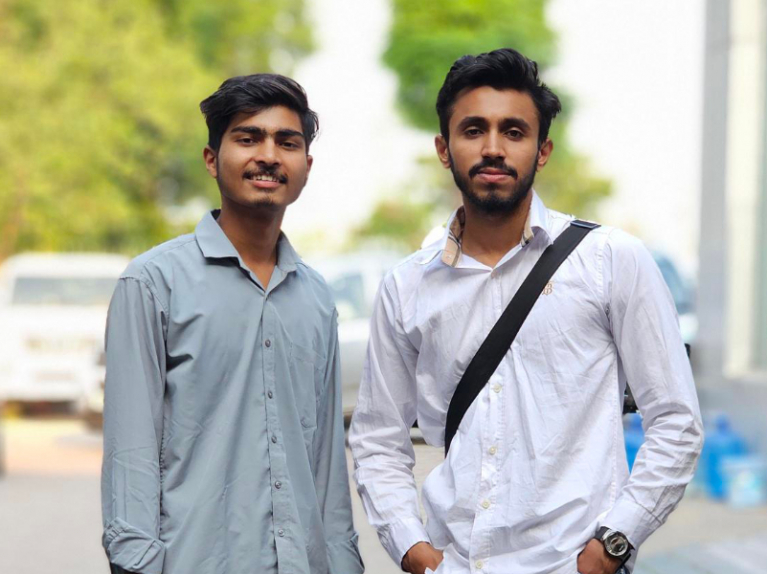
To an outsider, Shokin and Rohit look like typical 19-year-old college students - attending BA classes, hanging out with friends, living at home. But what goes unseen are the late-night editing sessions, failed e-commerce ventures, and detailed plans for a water brand.

Shokin's father, a businessman, does not press them for details. While Rohit's middle-class parents push for a government job and have little idea about his business experience. The two decided early to quietly keep building until the numbers are too big to dismiss.

With a design agency generating consistent monthly revenue, Shokin and Rohit reinvest every rupee they make. "We're saving everything now," says Shokin, "so when the big idea comes, we're ready."

Their target is audacious - ₹4-5 crore monthly to feel financially independent. Working day-long stretches, sleeping in the same room, and joking with clients that they work 26 hours a day, they believe, "Business can start with ₹1 or ₹1 lakh. The first step is always small. That's how big steps happen." Both have attended Medha's Technical Advancement Bootcamp (TAB).

© 2026 Medha, all rights reserved.