Remote Work as a Pathway to Access and Inclusion
It has been nearly seven years since the coronavirus pandemic reshaped the way we live and work. Along with it came the rise of remote work, something that quickly became a defining feature of the new normal. Today, as companies increasingly call employees back to offices and headlines predict that 2026 could mark the end of work from home for many, often to strengthen collaboration and team culture, I find myself reflecting, as someone who works remotely, on what this shift has made possible, especially for those who may have otherwise been left out of the workforce. This reflection comes from my engagement with our alumni, many of whom begin their career journeys with us.
At Medha, we encourage colleges and students to embrace work-based learning, with internships playing a crucial role in helping young people transition from classrooms to careers. While many students are eager to take up these opportunities, some are simply not allowed to step outside their homes to work. For many young women, even accessing classroom education itself is a privilege, making internships or early work experiences an even bigger challenge. I remember visiting Srimati BD Jain Girls’ P.G. College in Agra, one of our partner institutions, where I interacted with several students.
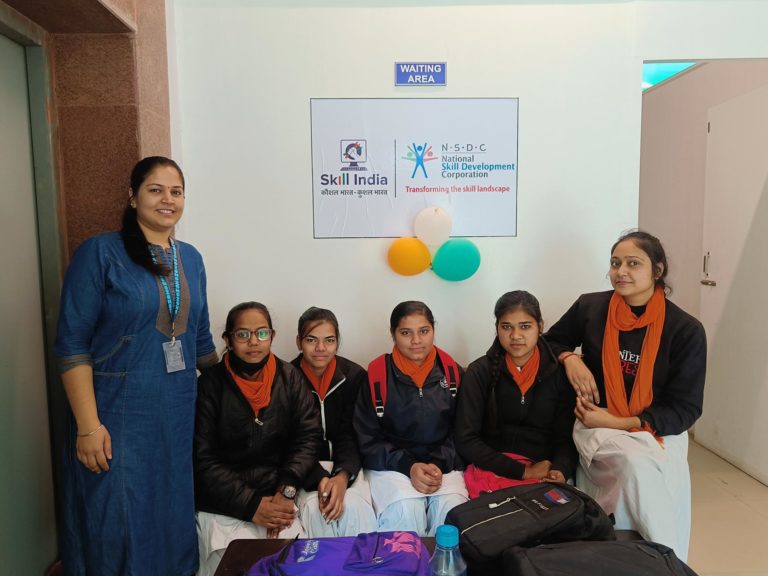
Among the students I spoke to, majority shared that they were not allowed to pursue internships and other extracurricular experiences outside their homes. The reasons varied from family expectations and safety concerns to limited mobility and local infrastructure challenges, but the outcome remained the same; many talented young women were unable to access early career opportunities that are often considered essential for professional growth. I think that was the first time I truly saw remote work differently and not just as a model that supports work life balance, but as a pathway to inclusion.
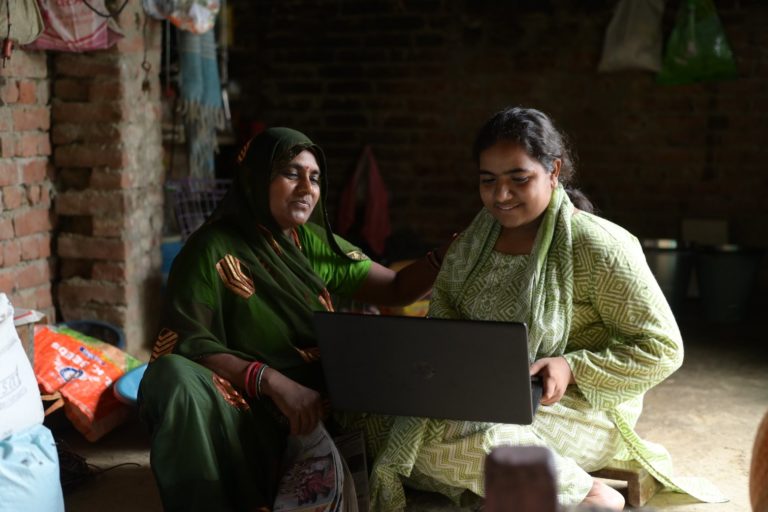
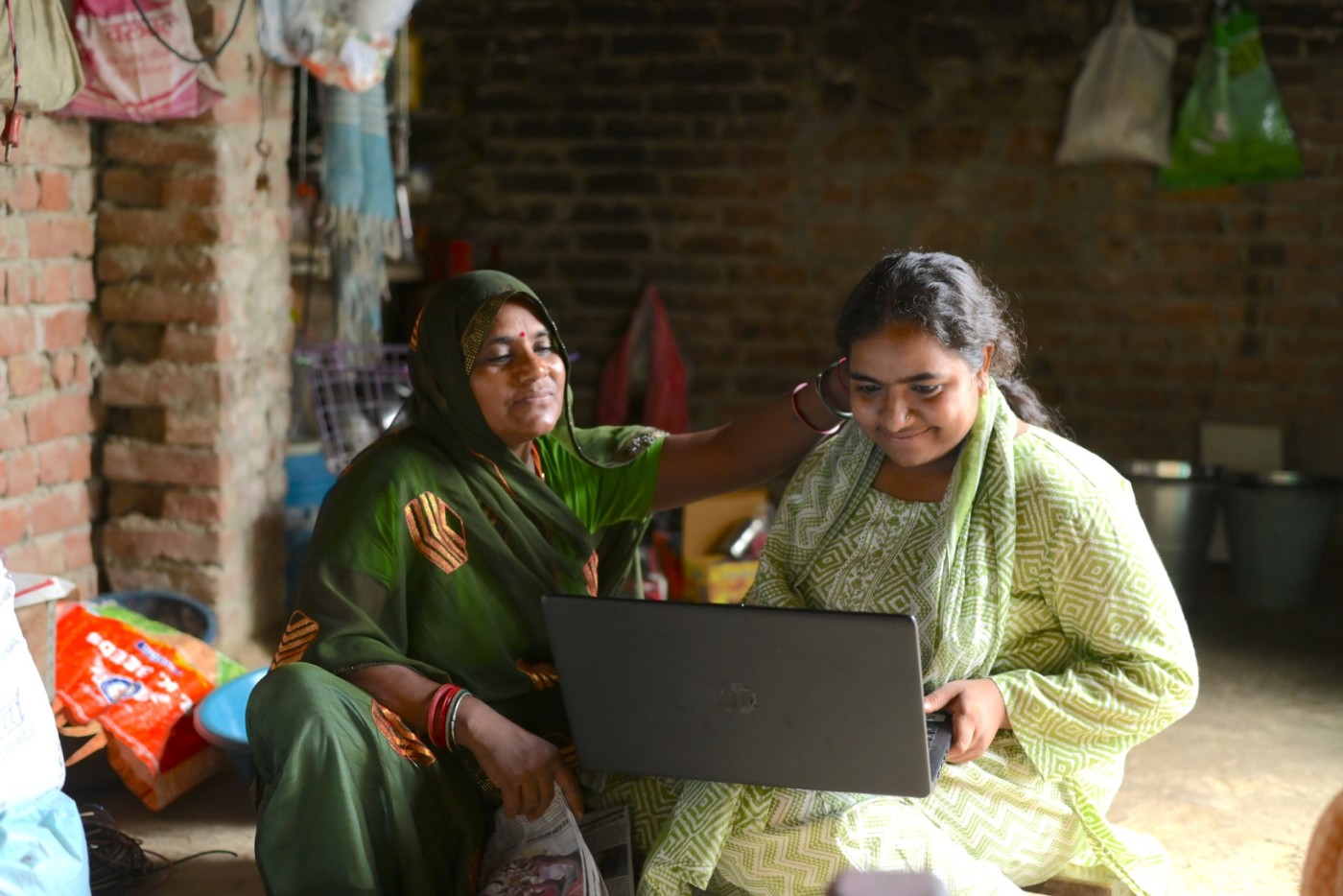
Even after being a remote worker myself, this was a new realization, one that poked my bubble of privilege. It was then that I realized how remote opportunities can become a doorway to professional spaces for young people from constrained backgrounds, helping build career awareness, confidence, and exposure to possibilities they may not have previously considered. This entire experience and reflection made me recall the story of Tannu, one of our alumni, who began her career journey through a virtual internship. She comes from a village near Panipat, where limited public transport and family restrictions made it difficult for her to step out for work. After completing the internship, she gained confidence, and her family began to see her as more responsible. Today, she is employed and continuing her career journey. For her, remote work created a way in, opening doors that otherwise would have remained closed.
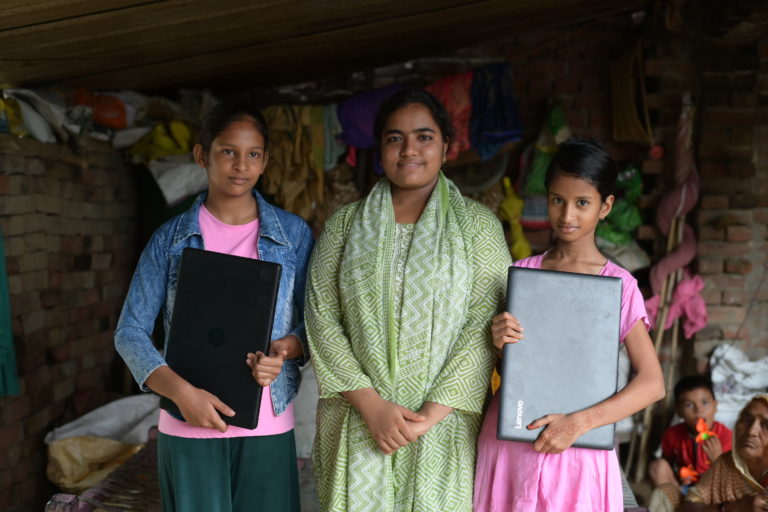
Apart from opening new career pathways, work from home opportunities also play an important role in supporting economic inclusion. They allow students to earn while continuing their education, helping them manage academic responsibilities alongside professional experience. Some of our students, like Aradhya Pathak, have even been able to support their families through such opportunities. For many young people, especially women, this balance is crucial as it creates financial independence without forcing them to choose between studies and work.
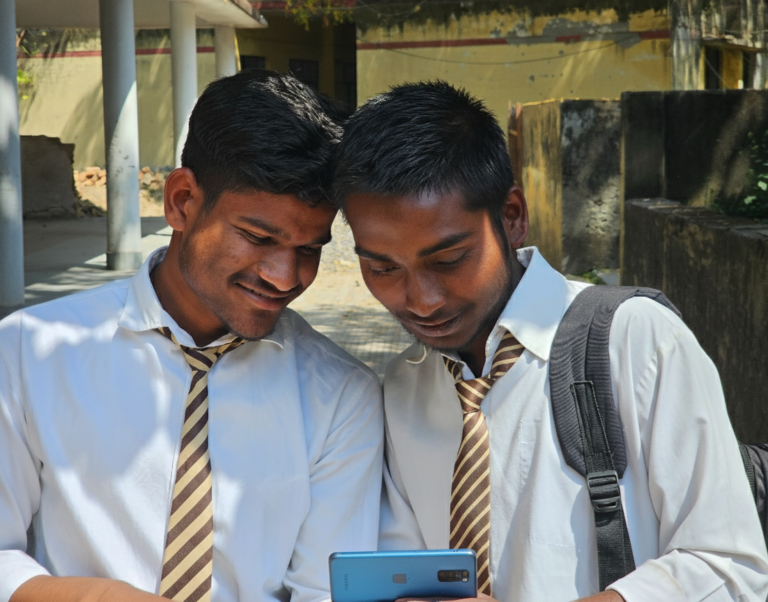
While work from home opportunities are themselves a privilege for many, given the realities of limited infrastructure, poor internet access, and lack of devices, they still represent an important step toward inclusion. For students who face mobility restrictions or social barriers, remote work can be the difference between waiting for opportunities and actively participating in them. The challenges are real, but so is the possibility it creates.
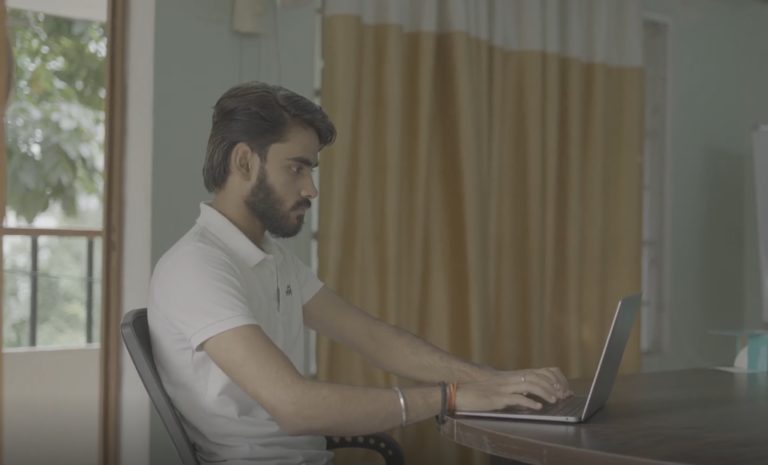
Therefore, as conversations around the future of work continue, we must think beyond rigid models and corporate policies. With the internet increasingly shaping how we learn, connect, and work, the focus must shift toward designing systems that prioritize access, flexibility, and inclusion. The real question is not where work happens, but how we can support quality work, blur unnecessary boundaries, and create a truly connected global ecosystem where youth has the opportunity to pursue rewarding careers of their choice, irrespective of where they come from or how far opportunity feels from their doorstep.