About a year ago, we were standing at the edge of new experiments, new state government partnerships, and a learning lab beginning to discover how it could make breakthroughs for young people’s futures.
Dreaming by the Quarter
Crossing thresholds
Quarterly Report, April-June ‘26
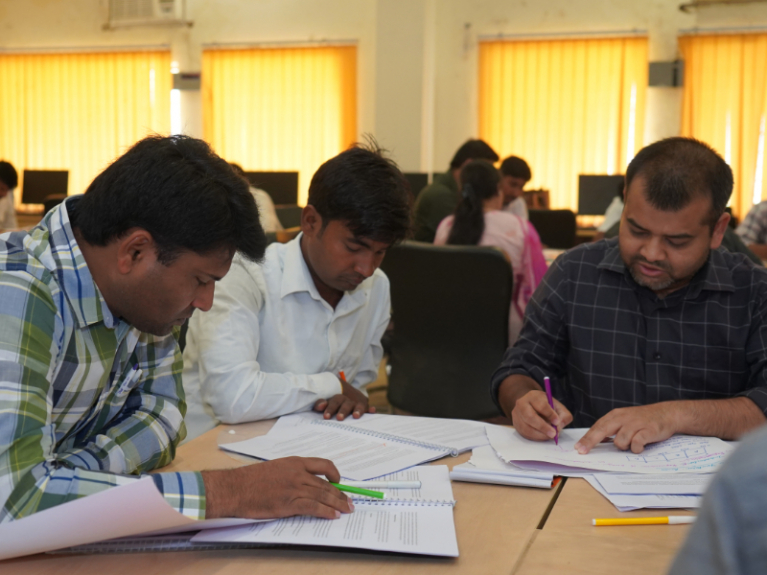
Sometimes, when everything feels uncertain and the next leap too big
01
You carry more questions than answers and wonder where you belong
You carry more questions than answers and wonder where you belong
02
But every new idea came with a question: could intentional innovation become a part of our culture, could we deepen the work with state governments, and how do we make the next breakthrough for young people’s futures?
In that fix, it’s not always obvious
when you cross the threshold
After a year of new experiments, Q1 felt like an energizing time, where a learning culture became
more visible in how we worked.
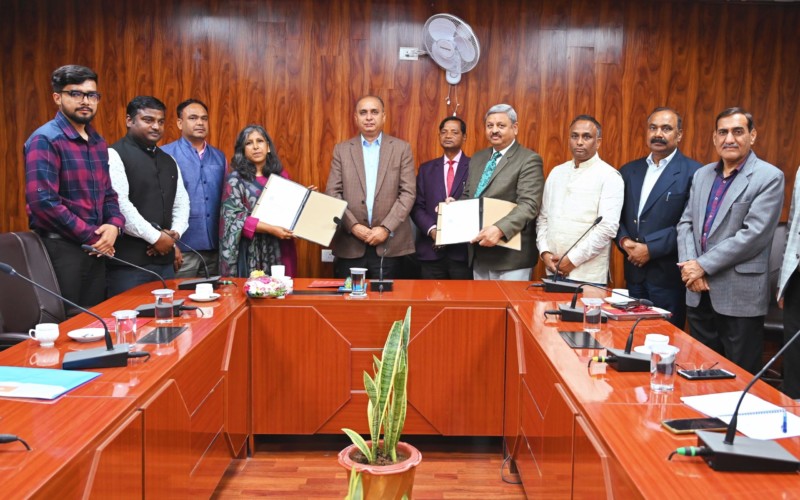
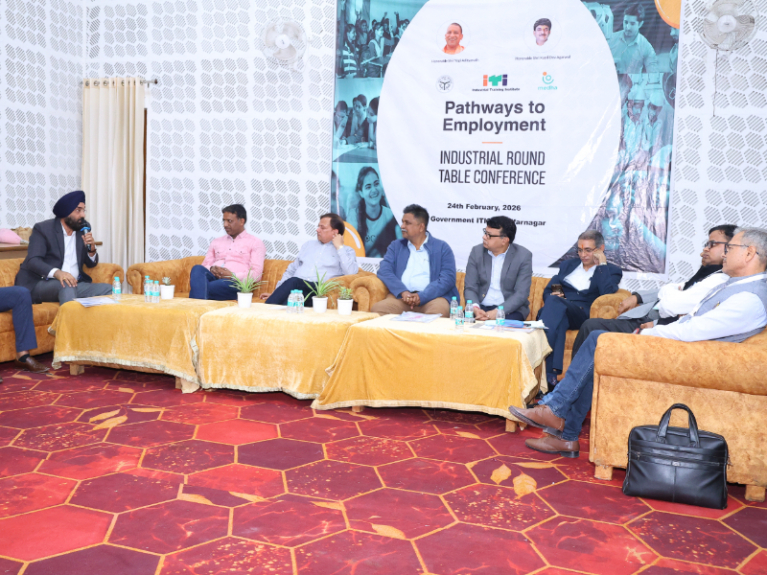
Ideas that started as field-led innovations led the way to bolder experiments. State education departments made decisive changes to improve employability. And a young woman’s letter reminded us of the thresholds we cross, as individuals and as a system, to become more than we once thought possible.
Testing what it takes to move youth into higher first-paying jobs
Creating new career pathways for youth through public education
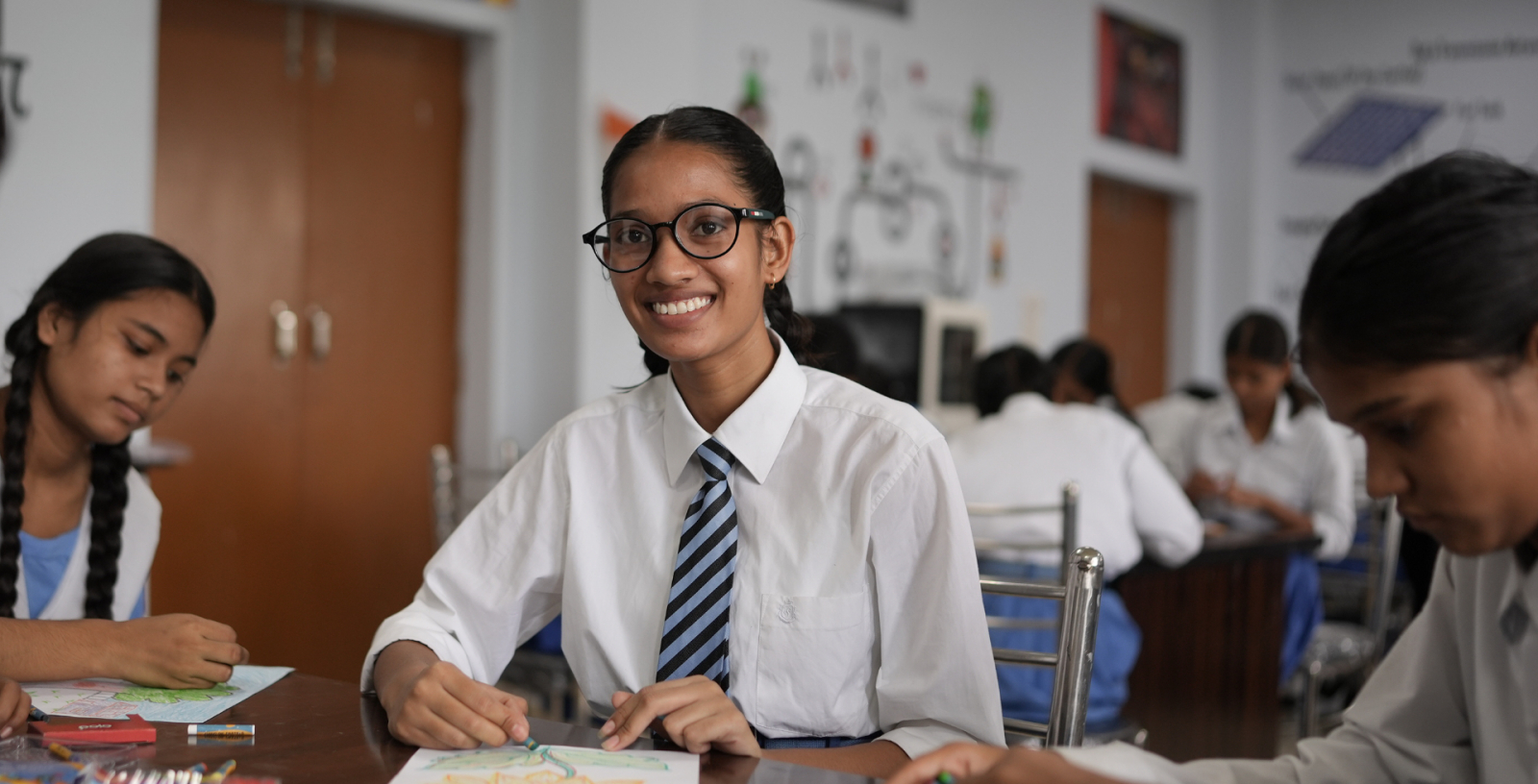
Gaining the confidence to build your future as a young woman
When you turn resistance into confidence to be bold
In the school-to-work space, programs and funding prioritize helping young people secure first jobs that meet basic needs. While that remains essential, the bigger opportunity lies in testing what helps youth begin higher-paying careers that build long-term economic agency.
By investing in field-led innovations and generating evidence on what works, new and bolder approaches can emerge that help young people earn better and build stronger futures.
For 100 youth to access $315/m first jobs
or more, testing pathways such as upskilling, job switch, and negotiation to move faster towards economic independence
For 100 women to start work at $210/m
or more, testing strategies that help women from tier-2 cities enter the workforce with stronger economic agency
Lower youth’s drop-out rate from first jobs
by testing Anchor Circles (intentional workplace support, led by working alumni) with 20 employers
Improve ease of access to career support
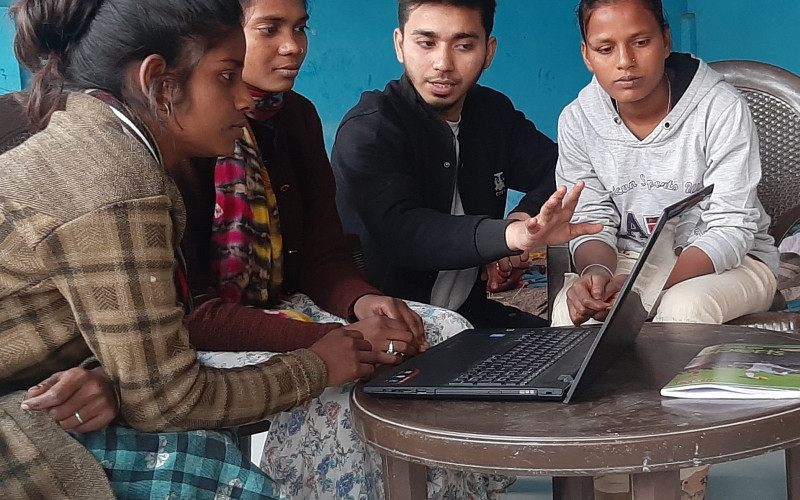
by testing a WhatsApp chatbot that connects 2,000 alumni with relevant jobs and career counseling services
When you make shifts that once felt improbable
05
The public vocational education system is shaped by multiple levers - the capacity of its people, industry connections, alumni engagement and policy changes. The results of this work may take years to become visible, but when they do, they expand what the system imagines for young people's futures.
- AA district’s first women-only placement drive
- B4x increase in industrial training period
- CAdopting new industry-relevant trades
And when you become the person who once felt out of reach
And when you become the person who once felt out of reach
06
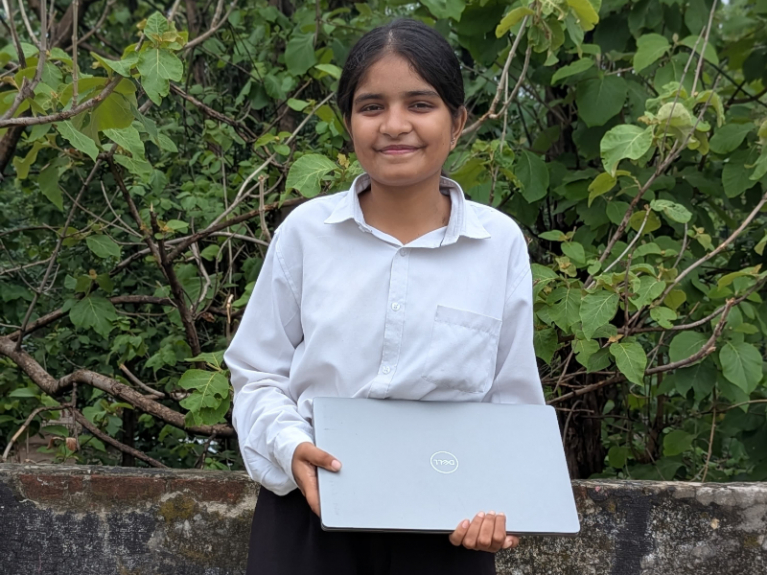
“There was a time when everything felt uncertain. Coming from a rural background, opportunities seemed far away, almost meant for someone else. I carried doubts about my education, my choices, and whether I truly belonged in spaces that felt bigger than anything I had known.
Somewhere in that phase, I found a space that nudged me to pause and reflect. Medha became a mentor and a guide. I saw possibilities where I once saw limits, and got the confidence to start imagining and building a future of my choice.
I am now excited to explore, learn continuously, and step into spaces that once felt out of reach. As you read this in the future, I hope you are not afraid to dream bigger. There will be moments of doubt, but do not let them define your direction.”
-Anshika (Alumni, Gorakhpur) in a letter to her future self.
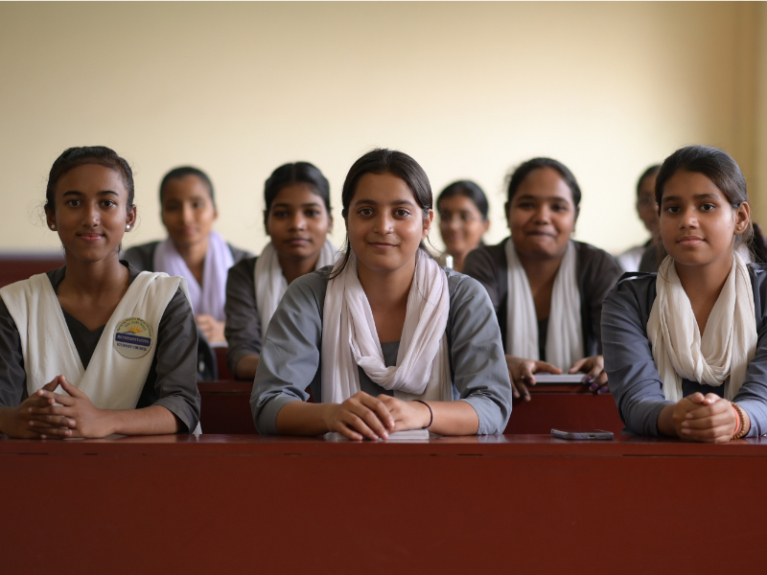
That’s when you realize: doubt and determination go together
07
Innovation, change, confidence – all begin with a courage that pushes past uncertainty.
But the real threshold is always
believing in your big dreams
believing in your big dreams