Notes on Youth Agency and Voices
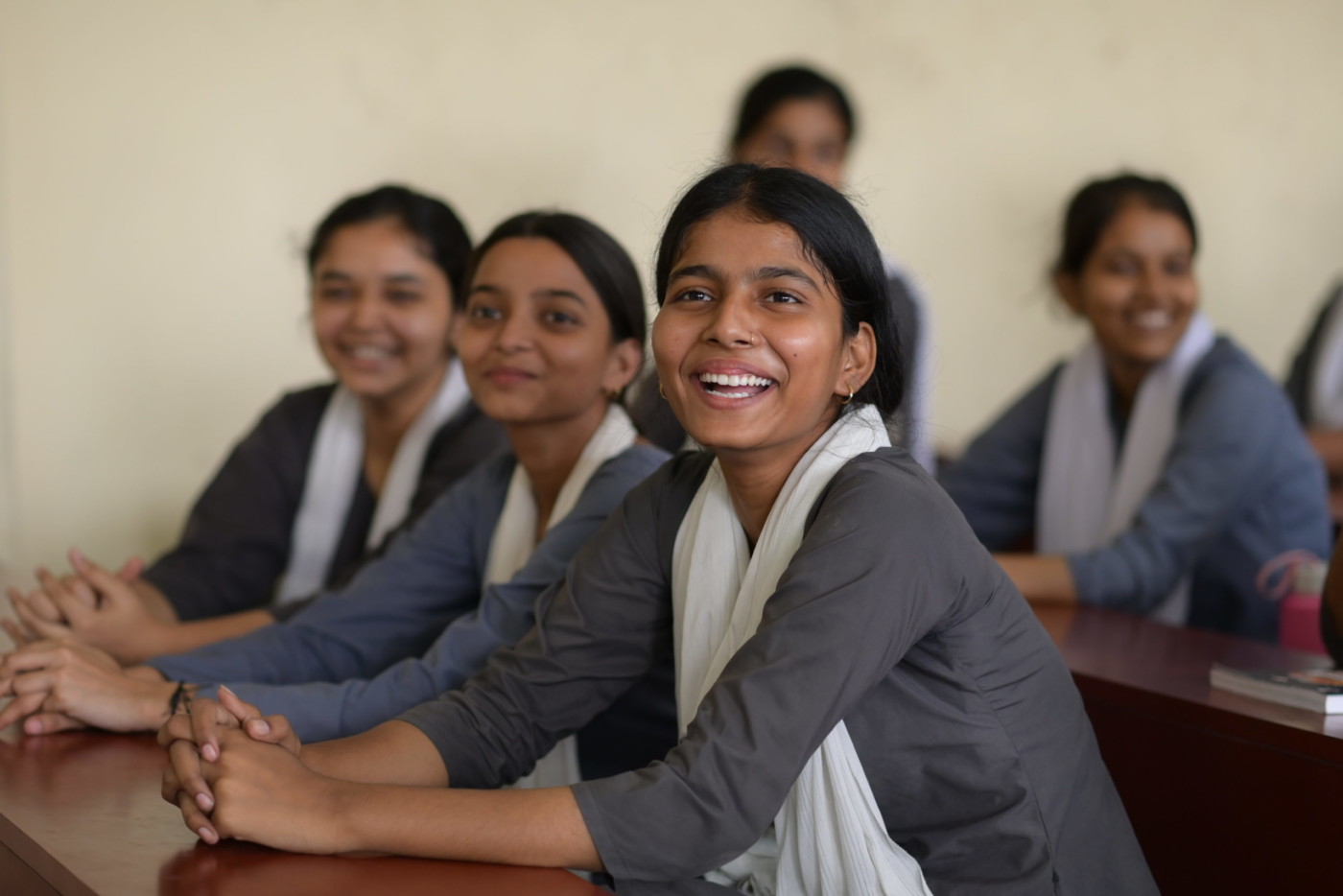
India is a country full of young blood, hopes, and dreams. Home to nearly 400 million Gen Z individuals, this is a generation with the potential to shape leadership, influence change, and reimagine the future. They speak in a language that often feels unfamiliar to older generations, shaped by digital exposure, global influences, and rapidly evolving aspirations. And yet, the power to design their futures still largely rests in the hands of millennials and boomers, generations that grew up with far fewer choices and much narrower windows of exposure.
As a society, we remain deeply comfortable with the idea of the “safe path.” That comfort often translates into the advice we give young people and the expectations we set for them. Secure jobs, predictable trajectories, and socially validated success continue to dominate career conversations. This collective mindset is reflected in the overwhelming number of applications for government exams. Between 2014 and 2022, over 220 million applications were submitted for federal jobs, while only around 7.2 lakh candidates were selected. Behind these numbers lie years of preparation, deferred aspirations, and quiet disillusionment.

Indian parents still push what is often called the holy trinity of engineering, medicine, and civil services. There is nothing inherently wrong with these career pathways, if the aspirant is genuinely interested. The reality, however, is that for many young people, these choices are not entirely their own. Career decisions are shaped early by parental expectations, social pressure, and fear of instability, leaving little room for exploration or self-discovery.
According to the UN’s Bharat Career Aspirations Report 2024, 81% of students report facing barriers in career decision making, ranging from family pressure to anxiety about future prospects. Out of every 100 students, 90 rely on advice from cousins, relatives, or family friends. Most of us have witnessed this firsthand. If we go down memory lane, many of us can recall how our own career choices were shaped, or how we had to seek permission to pursue what we truly wanted.
But the challenge does not end with choosing a career. In many ways, it begins there. Only 42.6 percent of Indian graduates are considered employable, equipped with the skills and workplace readiness required to transition smoothly into jobs. Even among those who do secure employment, only 14 percent report that they are thriving at work. When careers are chosen without agency or alignment, dissatisfaction becomes systemic rather than individual.
This lack of agency extends beyond careers. As per Satyarthi Foundation’s 2021 report, over 5.4 million girls in India were in early or forced marriages, and nearly 90 percent of marriages remain arranged. Together, these figures point to a larger pattern, decisions that shape lives are often made for young people rather than by or with them.
Giving youth a voice does not mean leaving them to navigate uncertainty alone. It means walking alongside them, acknowledging their contexts, and gradually shifting from control to confidence. It also means recognising that young people are already capable and do not need to be “empowered.” What they need is exposure, guidance, and a room to reflect. At Medha, all our efforts are crafted with this intent and aimed at helping young people pursue rewarding careers of their choice.
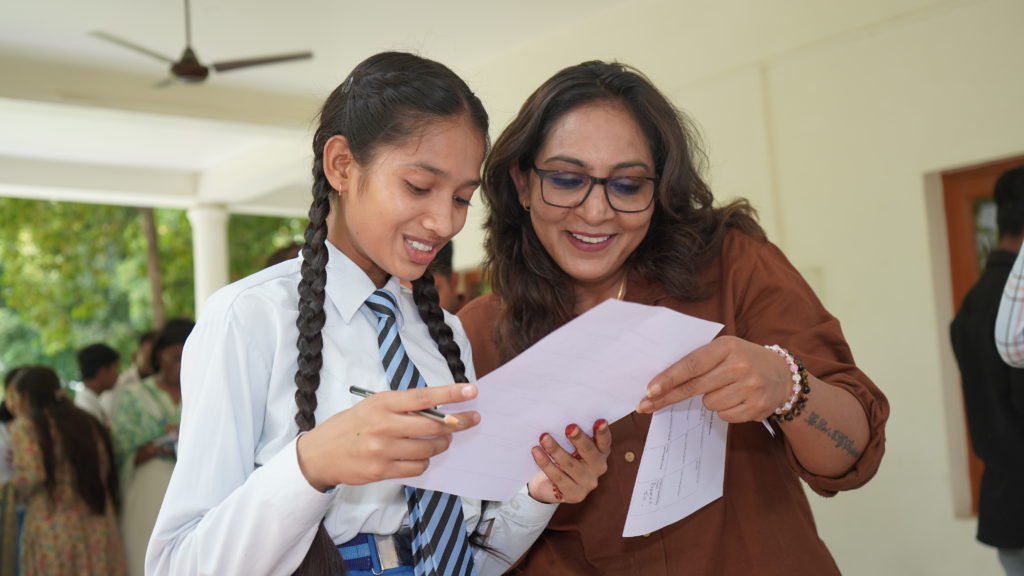
Alisha, one of our Swarambh alumni, offers a powerful example of how timely career guidance can shape trajectories. Growing up in a small town near Meerut, Alisha had limited exposure to career possibilities beyond conventional options. She enjoyed designing and stitching clothes, but did not know if or how this interest could translate into a viable career path. While her parents were supportive, she faced discouragement from relatives who questioned whether her choices could lead to financial independence, but Alisha stood by her decisions. During her polytechnic studies, she joined Medha’s Swarambh program, where she gained clarity on how her interest could become a sustainable career through freelancing and entrepreneurship. Today, Alisha owns a boutique in Ghaziabad, where she designs and creates garments independently with a small team.

Alisha’s career trajectory could have looked very different had she followed more conventional paths without the space to question or explore alternatives. Her journey underscores a larger truth: when young people are trusted to step beyond the “safe path,” supported with the right information and guidance, they are more likely to make choices that are both meaningful and sustainable.
But helping young people claim agency is not a cakewalk. It requires working against deeply entrenched norms, parental anxieties, social conditioning, and systems that reward conformity over curiosity. It means having difficult conversations, with families who fear instability, with institutions constrained by rigid curricula, and with young people themselves, who have been taught to doubt their own judgement.

Such change cannot happen in silos. It calls for strong, sustained interventions at the adolescent stage, alongside deeper collaboration between academia, industry, and government. This is long term work that demands collective commitment, patience, and trust from all of us, so that our young partners feel confident enough to step forward, question inherited paths, and create space for themselves. Only then can they shape their own journeys and write a new growth story for India, one that is inclusive, equal, and just.